
AI-Integrated Software Development: What It Means & Why It Matters in 2026
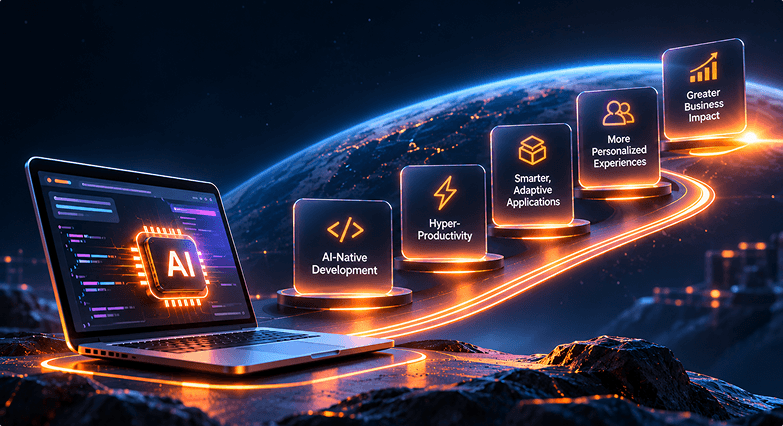
AI-Integrated Software Development: What It Means & Why It Matters in 2026
Software has always been the foundation of modern businesses.
It helps organizations manage operations, connect teams, serve customers, and make decisions.
But traditional software follows predefined rules.
It executes instructions that developers build into the system.
Artificial Intelligence is changing this approach.
Businesses are now moving toward software systems that can understand information, identify patterns, automate complex tasks, and support better decisions.
This shift is driving the growth of AI-integrated software development.
Instead of building applications that only store and process information, businesses are creating intelligent systems that can:
- Analyse business data
- Automate workflows
- Generate insights
- Improve customer experiences
- Support decision-making
The future of software is not only about building more applications.
It is about building applications that understand business needs and continuously improve.
What Is AI-Integrated Software Development?

AI-integrated software development is the process of combining traditional software engineering with artificial intelligence capabilities to create smarter and more adaptive applications.
Traditional software performs tasks based on fixed rules.
AI-integrated software can analyse information, recognise patterns, and provide intelligent recommendations.
In simple terms:
Traditional software helps businesses manage information.
AI-integrated software helps businesses understand information and act on it.
Traditional Software vs AI-Integrated Software
| Traditional Software | AI-Integrated Software |
|---|---|
| Works based on predefined rules | Learns from data and patterns |
| Requires manual inputs | Can automate information processing |
| Provides fixed outputs | Generates recommendations and insights |
| Handles structured workflows | Supports complex decision-making |
| Limited adaptability | Improves with continuous learning |
The goal of AI integration is not replacing software.It is adding intelligence to software systems.
Why AI-Integrated Software Development Matters in 2026
Businesses today operate in an environment where complexity continues to increase.
They manage:
- More customer data
- More digital systems
- More operational decisions
- More customer expectations
Traditional software can manage processes.
But businesses increasingly need systems that can help them make smarter decisions.
This is where AI software development services create value.
1. Businesses Need Faster Decision-Making
Modern organizations generate large amounts of information.
However, having data is not enough.
Businesses need systems that can help answer:
- What is happening?
- Why is it happening?
- What action should be taken next?
AI-integrated applications can analyse information and provide meaningful insights.
Examples:
A sales platform can identify high-value opportunities based on customer interactions.
An operations system can detect unusual patterns and highlight potential issues.
A finance platform can identify trends from large volumes of financial data.
2. Businesses Need Smarter Automation
Traditional automation works well for repetitive tasks.
Examples:
- Sending notifications
- Moving information between systems
- Generating reports
However, many business processes require understanding and decision-making.
AI-powered software development enables businesses to automate more complex workflows.
Examples:
- Analysing customer requests
- Processing documents
- Categorising information
- Generating recommendations
The difference is moving from task automation to intelligent automation.
3. Businesses Need Software That Scales
As companies grow, their software requirements become more complex.
They need systems that can:
- Support more users
- Handle increasing data
- Connect multiple platforms
- Adapt to changing workflows
AI-integrated software creates a stronger technology foundation for future growth.
Connected Intelligence
AI-integrated software connects data, systems, and intelligent workflows to help businesses automate operations, improve decisions, and build scalable digital solutions.
Key Components of AI-Integrated Software Development
Building intelligent software requires multiple components working together.
| Component | Purpose |
|---|---|
| Software Architecture | Creates a reliable technology foundation |
| Data Infrastructure | Provides information for AI systems |
| AI Models | Enables intelligence and recommendations |
| APIs & Integrations | Connects different platforms |
| User Experience | Makes AI capabilities practical |
| Monitoring Systems | Improves performance over time |
AI is not a feature added at the end.It needs to be considered during the software design process.
Common Applications of AI-Integrated Software
Intelligent Business Applications
Businesses are building software that helps teams:
- Analyse information
- Automate workflows
- Improve productivity
- Make faster decisions
Examples include:
- Internal management platforms
- Enterprise dashboards
- Business intelligence systems
AI-Powered Customer Platforms
Customer expectations have changed.
Users expect:
- Faster responses
- Personalised experiences
- Relevant recommendations
AI integration enables:
- Intelligent assistants
- Customer insights
- Automated support workflows
- Personalised recommendations
Enterprise AI Software Solutions
Large organizations often operate across multiple systems.
AI-integrated enterprise software helps businesses:
- Connect information
- Identify patterns
- Improve visibility
- Automate processes
Examples:
- Supply chain platforms
- Financial systems
- Operations management software
AI-Powered SaaS Products
Software companies are increasingly adding AI capabilities into their products.
Examples:
- AI assistants
- Intelligent analytics
- Automated recommendations
- Workflow automation
AI is becoming an important differentiator for modern SaaS products.
AI-Integrated Software Readiness Checklist
0 of 7 complete- Business requirements and objectives clearly defined
- AI use cases identified for key workflows
- Existing software systems evaluated for AI integration
- Business data quality and accessibility assessed
- AI capabilities selected based on business needs
- Security, scalability, and performance requirements defined
- Testing and deployment strategy planned
Need help building AI-integrated software?
TALK TO OUR TEAMHow AI Software Development Services Work

Building AI-powered software requires more than adding an AI model.
A successful approach includes:
Step 1: Understand Business Requirements
The first step is identifying:
- Business objectives
- User requirements
- Existing workflows
- Technology challenges
The strongest AI solutions start with a business problem.
Step 2: Design AI-Enabled Architecture
The software foundation must support:
- AI integration
- Data processing
- Security requirements
- Future scalability
A strong architecture ensures the solution can grow with business needs.
Step 3: Develop AI Capabilities
Depending on requirements, AI capabilities may include:
- Machine learning models
- Generative AI applications
- Recommendation engines
- Intelligent automation
- AI assistants
The AI layer should work naturally within the application.
Step 4: Integrate With Existing Systems
AI creates maximum value when connected with business operations.
Integration may include:
- CRM platforms
- ERP systems
- Databases
- Internal applications
- Business dashboards
Disconnected AI creates limited business value.
Step 5: Test, Deploy and Improve
AI software requires continuous evaluation. Businesses should measure:
| Area | Focus |
|---|---|
| Accuracy | Quality of AI outputs |
| Performance | System reliability |
| Security | Data protection |
| Adoption | User acceptance |
| Business Impact | Measurable outcomes |
AI-Integrated Software Development Framework
A practical implementation approach:
| Stage | Focus |
|---|---|
| Discover | Identify business opportunities |
| Design | Plan software and AI architecture |
| Develop | Build AI-enabled capabilities |
| Integrate | Connect systems and workflows |
| Deploy | Launch the solution |
| Improve | Continuously optimise performance |
Successful AI software development is not a one-time activity. It is a continuous improvement process.
Challenges in AI-Integrated Software Development
Poor Data Quality
AI systems depend on reliable information.
Incorrect or incomplete data can affect performance.
Lack of Clear Use Cases
Businesses should not add AI simply because it is trending.
The technology should solve a meaningful business problem.
Integration Complexity
AI solutions need to work with existing business systems.
Poor integration creates additional complexity.
Security and Privacy Concerns
Businesses need to ensure:
- Data protection
- Access control
- Responsible AI usage
NOTE
AI-integrated software is only as reliable as the data, workflows, and systems behind it. Define clear use cases, ensure data quality, plan integrations, and prioritise security before deployment.
Build AI-Powered Software Around Your Business Requirements
Every business has unique processes, systems, and challenges.
Olio Nexus helps organizations build AI-powered software solutions by combining modern software architecture, intelligent automation, and business-focused technology.
Whether you are improving an existing application or building a new digital product, we help transform ideas into scalable AI-enabled systems.

Build AI-Powered Software Around Your Business Requirements
Every business has unique processes, systems, and challenges. Olio Nexus helps organizations build AI-powered software solutions by combining modern software architecture, intelligent automation, and business-focused technology. Whether you are improving an existing application or building a new digital product, we help transform ideas into scalable AI-enabled systems.
Choosing The Right AI Software Development Company
Building AI-powered software requires both technical expertise and business understanding.
A strong AI software development company should understand:
Software Engineering
AI solutions need reliable architecture and scalable foundations.
Business Processes
Technology should solve real operational challenges.
AI Capabilities
The team should understand modern AI technologies and their practical applications.
Scalability
Software should support future business growth.
The Future of AI-Integrated Software Development

Software development is moving toward intelligent systems.
Future applications will increasingly include:
- AI agents
- Predictive capabilities
- Autonomous workflows
- Real-time decision support
- Personalised user experiences
However, businesses that succeed with AI will not be those that simply add more AI features.
They will be those that build software designed around meaningful business outcomes.
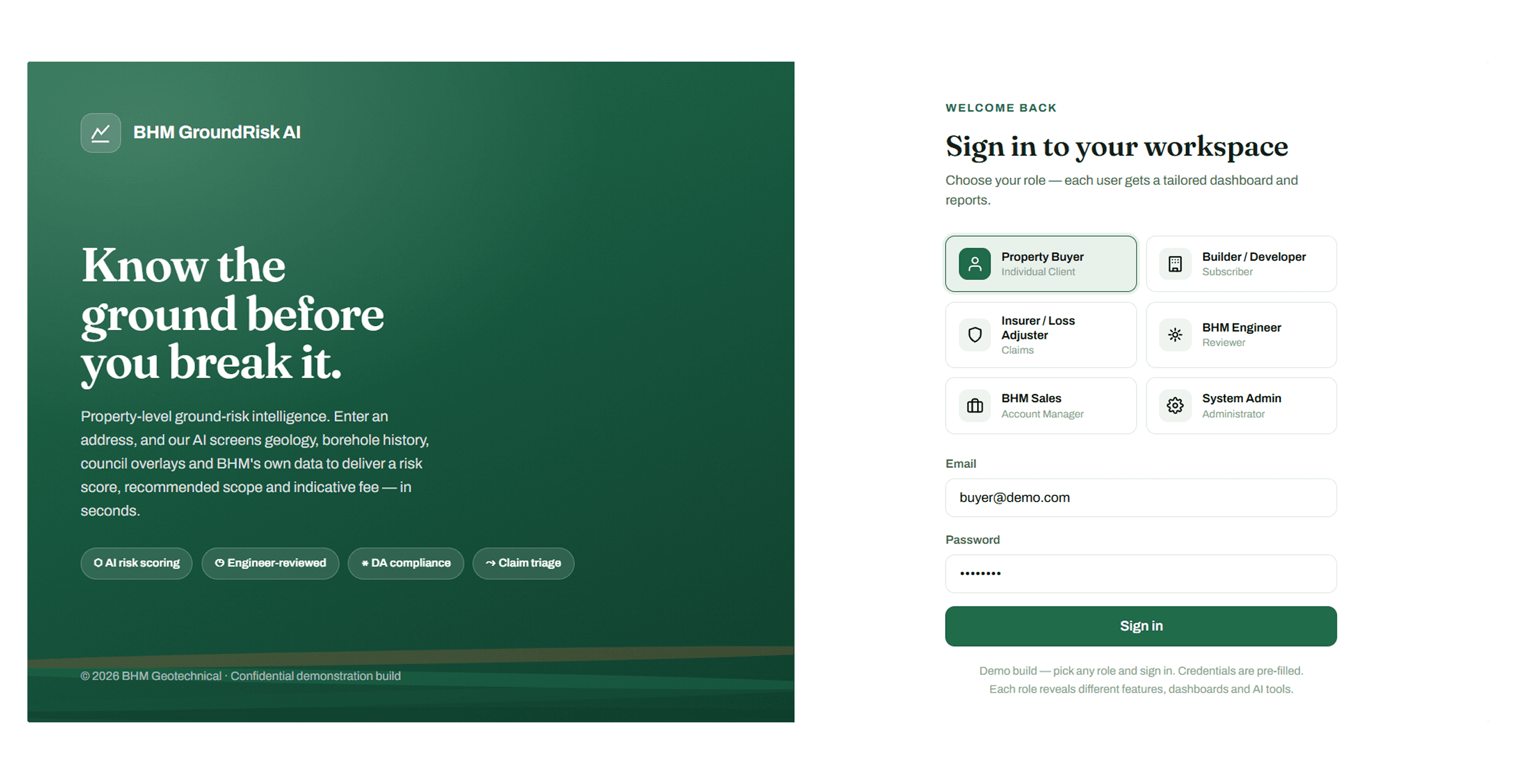
BHM GroundRisk AI
Instant, AI-driven ground-risk scoring for any property address — replacing slow, manual geotechnical desktop studies with a seconds-long assessment, scope and indicative fee.
Final Thoughts
Software has always helped businesses operate better.
AI is changing what software can achieve.
The next generation of applications will not only store information or automate tasks.
They will understand data, support decisions, and help businesses operate more intelligently.
AI-integrated software development gives organizations the opportunity to build systems that are more adaptive, scalable, and aligned with future business requirements.
Share This Blog:



Author
Vanita Gaware

Product Manager, Olio Nexus
Vanita Gaware, Product Manager at Olio NeXus, champions the idea that every great product starts with asking the right questions. She thrives where business goals, user journeys, and technology meet, turning complexity into clarity. She writes about AI, software, product strategy, and the choices that turn technology into real-world value.
Build Intelligent Software Systems For The Future
Olio Nexus helps businesses build AI-powered software solutions that automate workflows, improve decision-making, and create scalable digital systems.
Frequently Asked Questions
AI-integrated software development combines traditional software engineering with artificial intelligence capabilities to create applications that can analyse information, automate tasks, and support decision-making.
Related Articles

Subscribe To Our Insight
Get the latest AI, technology, and business insights from Olio Nexus.